


News

Consultation with a Reproductive Specialist: What You Need to Know and How to Prepare
Modern medicine is advancing rapidly, with new, highly specialized fields emerging each year to address increasingly complex challenges. One such area is reproductive medicine, which focuses on diagnosing, treating, and preventing issues related to the reproductive system. Many patients wonder: who is a reproductive specialist, and how can they help?Read More

How Artificial Insemination Gained Momentum in World History
The idea of in vitro fertilization (IVF) was shaped and developed over several centuries. In 1784, Italian scientist Lazzaro Spallanzani performed the first artificial insemination on a dog, resulting in the birth of three healthy puppies.Read More

Psychology of Infertility
Psychogenic infertility, or idiopathic infertility, is a form of infertility where there are no physiological causes, and the issues are linked to emotional and psychological factors. This condition is rare and is diagnosed when a couple is completely healthy, but pregnancy does not occur. About 5-10% of women who cannot conceive are diagnosed with psychological infertility. The main feature of this condition is the inability to conceive without any identifiable medical reasons.Read More

Donation and Surrogacy Programs: Modern Solutions in Reproductive Medicine
Donation and surrogacy programs are advanced achievements in reproductive medicine, providing a solution for families facing difficulties with conception or carrying a pregnancy. These methods address infertility by enabling the use of donor eggs, sperm, or embryos. They restore lost or limited reproductive functions, offering a high probability of successful conception and childbirth.Read More
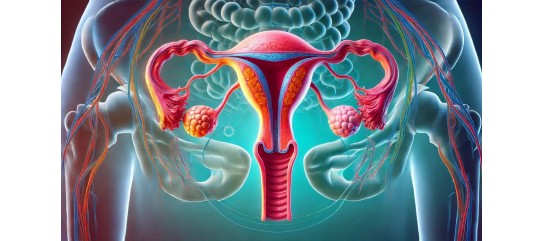
Ovarian Dysfunction: Causes, Symptoms, and Treatment
Ovarian dysfunction is a condition where the normal function of the ovaries is disrupted, leading to changes in their hormonal activity. The ovaries are key organs of the female reproductive system, responsible for producing sex hormones (estrogens and progesterone) and maturing egg cells. These functions ensure a regular menstrual cycle, the ability to conceive, and overall health.Read More
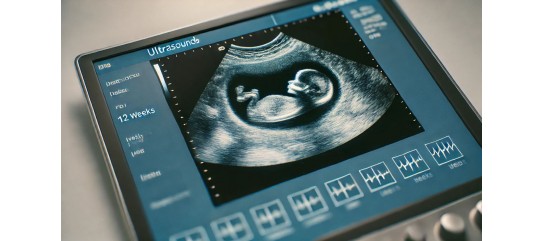
Ultrasound Examination During Surrogate Pregnancy
Ultrasound examination (US) is one of the key diagnostic methods in obstetric practice, allowing timely monitoring of the condition of both the fetus and the surrogate mother. In surrogate pregnancy programs, the importance of ultrasound increases significantly as it ensures safety and control at every stage.Read More

Chronic Diseases and Their Impact on Reproductive Health
Chronic diseases of the reproductive organs are among the leading causes of infertility in both women and men. These conditions disrupt the functioning of the reproductive system, lead to hormonal imbalances, and cause other complications that hinder conception and pregnancy.Read More

How to Move Embryos: Your Top Questions Answered
Intended parents often worry about shipping frozen embryos between IVF clinics, especially when this involves embryo transportation. It's common; for you, these embryos are a major time, financial, and hope investment.Read More

Male Infertility: How to Become a Father
Male infertility is a condition where a man is unable to conceive a child after one year of regular, unprotected sexual activity. Around 8–15% of couples face infertility issues, with male factors accounting for nearly half of these cases. Male infertility has become an increasingly relevant concern, affecting not only physical health but also psychological well-being and relationships within a couple.Read More

Surrogate Mother — Support for Genetic Parents
Surrogacy is a unique method of assisted reproductive medicine that allows couples with specific medical or social challenges to become parents. A surrogate mother carries a child for genetic parents, helping them fulfill their dream of having a complete family. This method combines medical science, psychological support, and legal protection to ensure the process is safe and comfortable for all participants.Read More

Assisted Reproductive Technologies: Key Terms, Importance, and Health Impact
Modern assisted reproductive technologies (ART) play a crucial role in treating infertility, giving couples the opportunity to achieve their dream of having a child. However, the key concepts and steps of ART often remain unclear to a broader audience. This article outlines the primary terms and stages of ART while highlighting the importance of maintaining reproductive health.Read More

Alternative Paths to Parenthood: Egg Donation and Surrogacy
Modern reproductive technologies open up new opportunities for those who aspire to become parents, regardless of certain circumstances. Egg donation and surrogacy are reliable methods that support individuals with various life goals: becoming parents, creating a family, and finding the joy of parenthood. These methods are available for single individuals, LGBT members, and couples who wish to fulfill their dream of having children.Read More

Prenatal care: your path to a healthy motherhood
The path to motherhood is unique for every woman and requires focused attention on health, whether through a traditional pregnancy or rr. The health of the mother, whether carrying her own child or as a surrogate, is foundational to a safe and successful pregnancy. Each step—from the initial doctor’s visit to labor—plays a critical role in ensuring the best outcomes for both mother and child.Read More

Cryopreservation: Modern Possibilities for Preserving Reproductive Health
Cryopreservation is a reliable method for storing biological material at extremely low temperatures, allowing it to retain its biological functions for extended periods. The process involves freezing reproductive cells (sperm, eggs) or embryos and storing them in special containers, known as Dewar vessels, under a layer of liquid nitrogen at -196°C, which completely halts all biological processes.Read More

ICSI Through the Eyes of an Embryologist
The intracytoplasmic sperm injection (ICSI) procedure is one of the most precise methods of fertilization used in reproductive medicine. On the day of oocyte retrieval, the embryologist carefully locates the oocytes under a microscope and places them in an incubator for several hours. The oocytes are then cleaned of the cumulus-oocyte complex, and mature cells are selected based on the presence of the polar body in the perivitelline space.Read More