


Understanding Embryo Transfer: Key Insights and Preparations
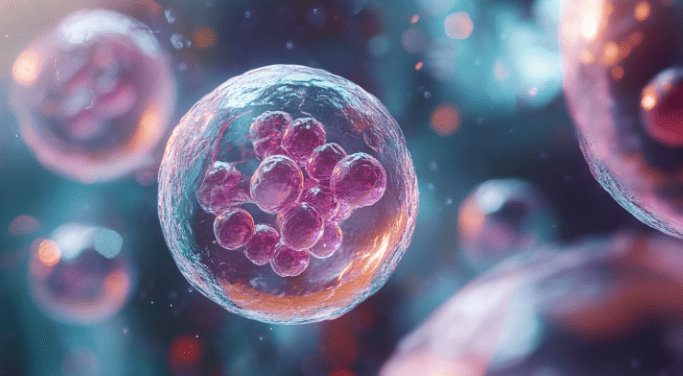
Embryo transfer represents the final phase of an in vitro fertilization (IVF) procedure. This crucial step involves placing embryos into the uterus with the aim of achieving a successful implantation and pregnancy. Knowing the process and proper preparation can significantly improve your chances of a positive outcome.
What is Embryo Transfer?
Embryo transfer is the procedure where embryos are inserted into the uterus, marking the last step in an IVF cycle. Prior to this, a series of stages are completed: diagnostic tests, ovarian stimulation, egg retrieval, sperm processing, fertilization, and embryo cultivation.
Types of Embryo Transfer
Fresh Embryo Transfer:
Benefits: Allows for a relatively quick path to conception. After egg retrieval and fertilization, embryos are transferred within a few days, followed by a two- to three-week wait to determine success.
Drawbacks: Hormonal treatments used to stimulate ovulation can inhibit endometrial growth. It is essential that the endometrium reaches a thickness of 7-8 mm to create optimal conditions for embryo implantation. Fresh transfers are also not ideal for women at high risk of ovarian hyperstimulation syndrome.
Frozen Embryo Transfer (Cryo Transfer):
Benefits: The transfer can be scheduled at a more convenient time, allowing the woman’s body to recover from egg retrieval and ensuring that the endometrium is in optimal condition. Additionally, preimplantation genetic testing (PGT) can be performed to select the highest quality embryos.
Drawbacks: Typically more expensive. However, this is offset by the ability to use frozen embryos for future attempts or additional children, bypassing some of the more complex preparation stages.
Three-Day vs. Five-Day Embryo Transfer
Embryos can be transferred on either the third or fifth day post-fertilization, each having distinct implications:
Three-Day Embryo: At this stage, the embryo consists of 8-12 cells. Transfer on day three is often chosen when the number of embryos is limited to avoid the risk of embryos not reaching the blastocyst stage.
Five-Day Embryo (Blastocyst): By day five or six, the embryo is a blastocyst with 60-120 cells, and has differentiated into cells that will become the fetus and the placenta. Transferring on day five generally offers better chances for successful implantation and embryo health, making it preferable when high-quality embryos are available.
How Does Embryo Transfer in IVF Work?
The embryo transfer procedure is carried out in a gynecological chair under ultrasound guidance:
Preparation: The doctor uses ultrasound to measure the cervical canal, cleans and prepares the cervix, and sets up the catheter.
Transfer: The embryo is loaded into a thin catheter and carefully inserted into the uterus. The doctor positions the embryo and checks to ensure it has not remained in the catheter. The woman is then advised to rest briefly. The entire process, including preparation and rest, usually takes about two hours.
When Does the Embryo Implant After Transfer?
Embryo implantation into the endometrium occurs between 6-10 days following transfer. Typically, a five-day embryo implants around the seventh day. The implantation process involves two phases: adhesion (attachment to the endometrial surface) and penetration into the endometrial tissue, which takes about 40 hours. Immediate pregnancy tests post-transfer are not effective, as the woman does not leave the procedure room pregnant. Likewise, lying down or assuming specific positions after transfer does not impact conception.
Double Embryo Transfer
Double embryo transfer involves transferring embryos twice within a single cycle. This can be done synchronously or asynchronously, where one embryo is transferred initially, and another is transferred a few days later.
Advantages: This approach can improve the likelihood of a successful pregnancy, particularly in cases of multiple failed attempts with high-quality embryos. It helps align the embryo transfer with the optimal "implantation window."
Risks: The likelihood of multiple pregnancies (up to 29%) is higher with double transfers, which can lead to complications such as:
Premature birth
Low birth weight
Cesarean section
Increased risk of congenital abnormalities
Single Embryo Transfer
In recent years, there has been a shift towards single embryo transfer (SET) to mitigate the risks associated with multiple pregnancies:
Age: Younger women typically have better-quality eggs, making SET a viable option.
Embryo Quality: When high-quality embryos are available, SET is often preferred.
Medical History: Women with past pregnancy complications or unsuccessful implantation attempts may find double transfer more appropriate.
While double embryo transfer can be effective for some IVF patients, it is crucial to weigh the potential benefits and risks of multiple pregnancies. Consult with your reproductive specialist to determine the best approach for your unique situation.