


Personal Readiness of Men for Fatherhood: Modern Aspects and Perspectives
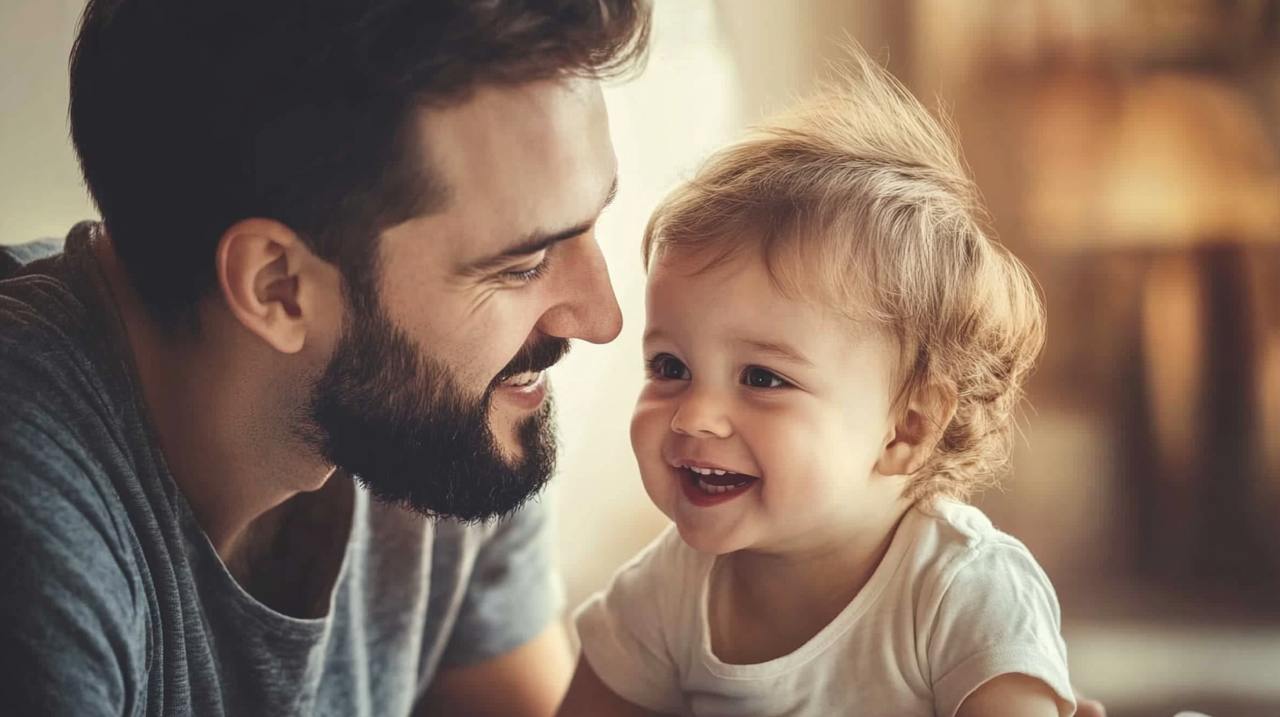
Fatherhood is not only a biological phenomenon but also a social and cultural one, where various characteristics such as parents' gender, child's age, social conditions, and cultural traditions interact. These factors shape unique family dynamics and significantly impact a child's development.
Modern Fatherhood: Awareness and Emotional Depth
Modern fatherhood is becoming more conscious and emotionally rich. Research led by A.V. Levchenko highlights the critical importance of active father involvement in child-rearing for the formation of a well-rounded personality and the positive impact on children's development. Parental examples, including the father's moral character and the overall family environment, have a significant influence on the child, who receives initial strong impressions and social cues from the family.
Influence of Sociocultural Factors on Fatherhood
Contemporary media and cultural images of fatherhood are often stereotypical and reflect traditional models. Media portrayals can create idealized notions of parenting, placing pressure on men to conform to these ideals. For instance, advertising often portrays fathers as less practical compared to mothers, distorting the real perception of family roles. These stereotypes can contribute to the formation of incomplete or distorted views on parental responsibilities².
Psychological Preparation for Fatherhood
Psychological readiness for fatherhood begins long before the news of a partner's pregnancy. Internal readiness is shaped by the experience demonstrated by the man's own father, as discussed in the research by J. Bowen and K. Kenfield. The individual style of fatherhood and the psychology of family relationships play a crucial role in forming future behaviors and life strategies.
Key aspects of psychological preparation include:
- Personal Experience: The style of fatherhood demonstrated by the man's father and how it affects his perception of parental roles.
- Cultural Ideals: Societal expectations and media portrayals of fatherhood that create idealized or distorted views of the father's role.
- Emotional Preparation: Understanding the readiness for new responsibilities and sacrifices associated with fatherhood.
Influence of Parental Example
Parental examples play a crucial role in shaping behavior models and the self-development of the child. These examples lay the foundation for how a child perceives the world, builds relationships, and forms their personality.
Positive Example
If a son perceives his father's image as positive, it becomes an important guide for his own behavior and self-development. Positive traits of the father, such as care, respect, resilience, emotional stability, and support, become ideals to strive towards. The child absorbs these qualities through observation and interaction with the father, contributing to the formation of his own values and life attitudes.
- Emotional Support: If the father demonstrates emotional support and responsiveness, the child learns the importance of being attentive and sensitive to others' feelings.
- Problem-Solving: The father's example in handling complex situations and overcoming difficulties can teach the child resilience and problem-solving skills.
- Moral Values: A positive moral example from the father helps the child develop ethical norms and values, such as honesty, respect, and diligence.
Negative Example
When the father's image is negative, it also significantly impacts the child's development, but in a negative way. If the father's upbringing was cold, harsh, or disrespectful, the young person may strive to become "what his father was not." Research shows that such negative examples can stimulate a desire to correct or completely change one's life approaches and attitudes.
- Striving for the Opposite: The young person may deliberately avoid the traits he perceives as negative in his father, such as harshness or lack of support. For instance, he might aim to be more attentive and caring, contrary to how he perceived his father.
- Psychological Conflicts: Negative perceptions of the father can create internal conflicts and psychological issues, such as low self-esteem or trust problems. These internal conflicts can affect his relationships with others and his own parenting attitudes.
- Behavior Models: Feelings of injustice or emotional pain may drive the young person to develop behavior models opposite to those observed in his father. This can lead to positive changes, such as increased empathy and care, or, conversely, difficulties in establishing healthy relationships.
Thus, the influence of parental examples on the formation of personal characteristics and life attitudes is multifaceted. A positive example creates positive guides, while a negative example can motivate overcoming negative traits and seeking alternative behavior models.
Perspectives and Issues in Research
Exploring the phenomenological space of fatherhood presents several challenges. The concept of fatherhood is unique and individual for each man, shaped by personal experiences and cultural norms. Problems may arise in data collection, including difficulties in discussing negative experiences and the impact of stereotypes. In this context, the use of assisted reproductive technologies (ART) such as in vitro fertilization (IVF) becomes significant as a method to overcome biological limitations and create new opportunities for conscious fatherhood.
Thus, a man's personal readiness for fatherhood is shaped by a multitude of factors, including personal experience, cultural stereotypes, and media portrayals. Understanding these aspects allows for more effective preparation of men for parenting and the creation of a supportive family environment.