


Key Features of Multifollicular Ovaries (MFO) – Information for Patients
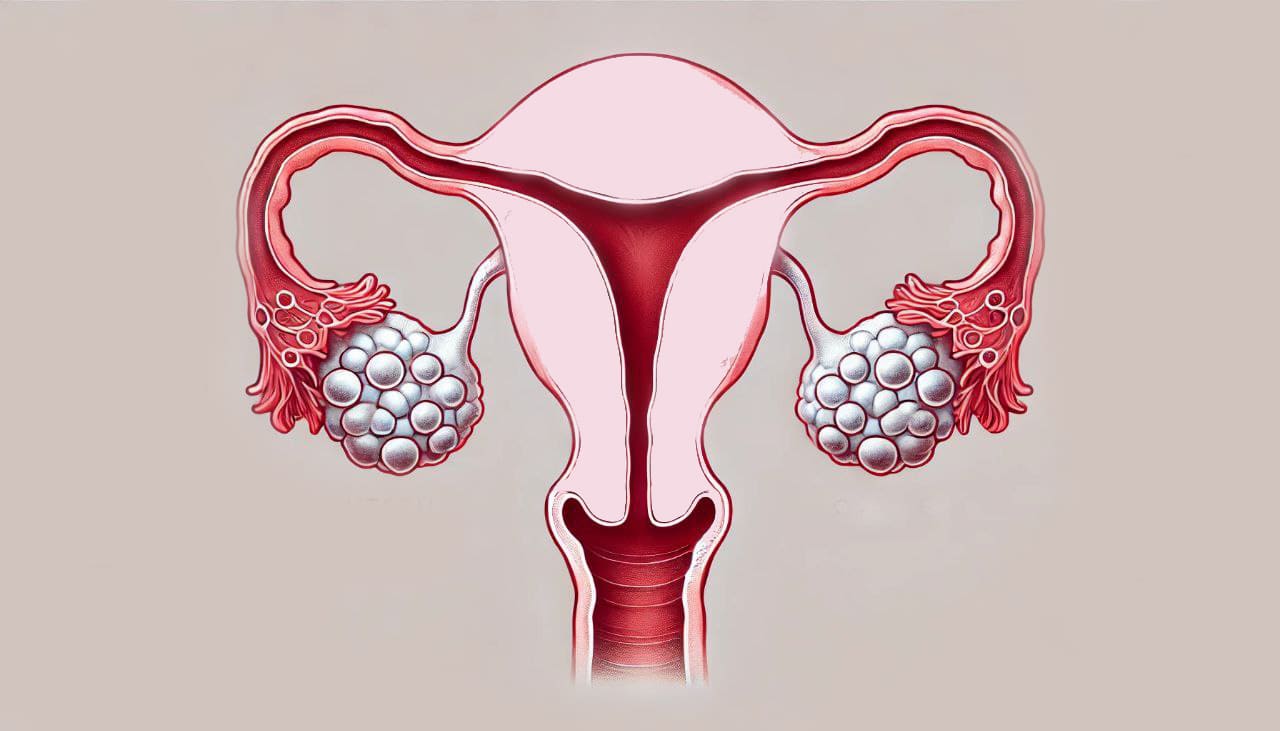
Multifollicular ovaries (MFO) refer to a condition where a higher number of follicles mature in the ovaries compared to the normal range. Typically, 5–7 follicles mature in each ovary, but in cases of multifollicular ovaries, this number can reach 8–10. This condition is often considered as one of the potential signs of Polycystic Ovary Syndrome (PCOS), but it can also be a normal variation under certain conditions.
It is estimated that multifollicular ovaries are present in 8–15% of women worldwide, meaning that approximately one in ten women encounters this condition during her lifetime.
Causes of Multifollicular Ovaries
Several factors can contribute to the development of multifollicular ovaries:
Polycystic Ovary Syndrome (PCOS): This common hormonal disorder causes multiple small follicles to develop in the ovaries, which often leads to irregular menstrual cycles and infertility.
Hormonal Imbalance: Temporary adverse factors, such as significant hormonal fluctuations, stress, and exhaustion, can lead to an increase in the number of maturing follicles.
Post-contraceptive State: The use of oral contraceptives can alter ovarian structure, especially if hormonal surges occur after discontinuation.
Pregnancy and Lactation: These periods can cause hormonal changes that affect follicle count.
Obesity and Rapid Weight Loss: These factors can disrupt hormonal balance and affect ovarian function.
Endocrine Disorders: Conditions such as diabetes, hypothyroidism, and hyperthyroidism can contribute to multifollicular changes in the ovaries.
Symptoms of Multifollicular Ovaries
Multifollicular ovaries may not always present noticeable symptoms, but some women may experience:
Irregular Menstrual Cycles: Prolonged or infrequent menstruation, or absence of menstruation (amenorrhea). This occurs because none of the follicles reaches the dominant size, preventing ovulation.
Hyperandrogenism: Elevated levels of male hormones can lead to symptoms such as unwanted hair growth, acne, and male-pattern baldness.
Infertility: Irregular or absent ovulation complicates conception.
Fallopian Tube Dysfunction: Some women with PCOS may experience "false obstruction" of the tubes, which can hinder the passage of the egg and affect fertility.
Diagnosis of Multifollicular Ovaries
Diagnosis of multifollicular ovaries typically begins with a consultation with a gynecologist. The doctor will gather a detailed history, including menstrual cycle characteristics, sexual activity, and any related complaints.
Physical Examination: This helps identify potential signs of hormonal imbalance or ovarian issues.
Ultrasound Examination: An ultrasound is the primary diagnostic tool used to assess ovarian morphology and follicle development. Key indicators of multifollicular ovaries include follicles larger than 9 mm in diameter and increased ovarian density.
Laboratory Tests: These include hormone level tests (FSH, LH, estradiol, testosterone, and AMH), as well as a complete blood count, glucose levels, and lipid profile.
Additional imaging studies, such as adrenal gland or thyroid ultrasound or magnetic resonance imaging (MRI), may be used to detect structural abnormalities or endocrine disorders.
How to Treat Multifollicular Ovaries to Achieve Pregnancy
Multifollicular ovaries can arise from various factors, including temporary adverse conditions or hormonal imbalances. Treatment for MFO depends on the specific situation and individual characteristics.
Can You Get Pregnant with Multifollicular Ovaries? This condition may be associated with hormonal imbalances that sometimes complicate conception. MFO can also contribute to pregnancy loss. Determining the answer to this question requires a comprehensive evaluation.
Diagnosis and Treatment: Multifollicular ovaries are often discovered during a comprehensive infertility assessment, which includes pelvic ultrasound and folliculometry. If a woman experiences absence of ovulation for several months, as confirmed by folliculometry, a treatment plan is developed.
Treatment Approaches: Management of multifollicular ovaries may include:
Hormonal Therapy: Use of hormonal medications to normalize endocrine function and restore regular ovulation. This may involve ovulation-stimulating drugs or hormone balance correction.
Vitamin Therapy: Supplementing with vitamins and minerals necessary for maintaining hormonal balance and overall health.
Laparoscopic Surgery: For confirmed PCOS, laparoscopic surgery may be performed to improve ovarian function and restore hormonal balance.
Individual Approach: A reproductive specialist will create a personalized treatment plan based on test results, ultrasound, and other diagnostic information. If medication or surgery does not achieve the desired outcome, in vitro fertilization (IVF) may be recommended.
It is important to approach the treatment of multifollicular ovaries and infertility with careful consideration and a personalized strategy. Early intervention and appropriate treatment can improve the chances of successful conception and reduce the risk of complications.